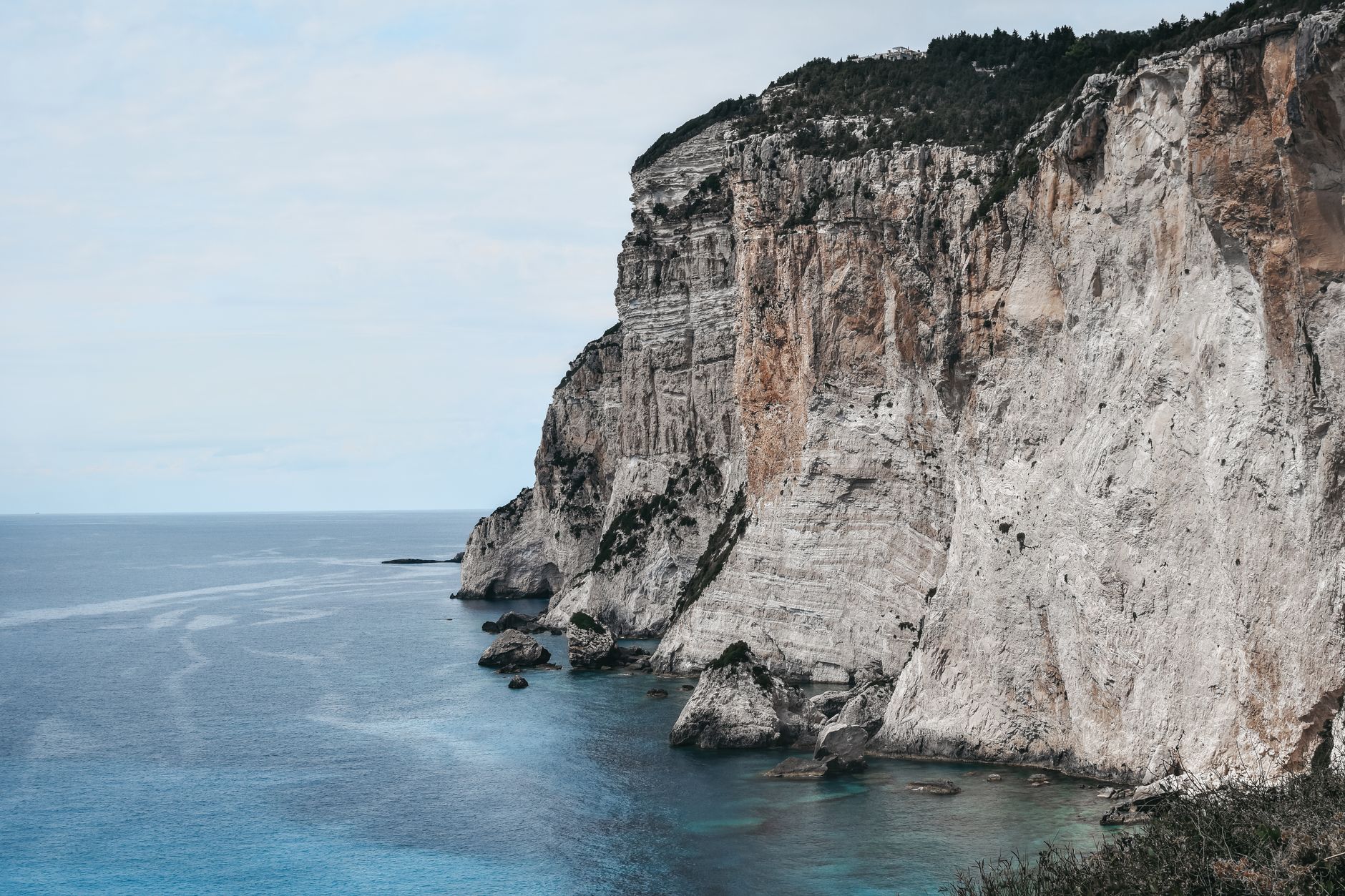
Tasting Salt in the Cycladic Wind
An expedition across dry marble terraces, exploring how wild oregano and amphora wine production preserve ancient maritime flavor.
"The true culinary identity of the Aegean is not found in resort seafood platters, but in what clings to the rock when eight straight days of northerly gales strip the earth bare."
The Cycladic Meltemi
Tinos is an island carved by the north wind known as the Meltemi. Trees do not grow upright here; they bend sideways, hugging granite boulders like gray lichen. For three millennia, farmers built thousands of kilometers of dry-stone walls—known locally as xerolithies—to keep what little topsoil existed from blowing into the blue waters of the sea.
This severe ecology concentrates flavors to an intense degree. Tomatoes grow without irrigation, pulling moisture strictly from nocturnal sea mists. The resulting fruit is no larger than a walnut, yet contains a savory, mineral complexity unlike anything cultivated in fertile plains.
Capers & Salt Crusts
Along the cliffs of Kolymbithra, caper bushes sprout directly from fissures in schist rock. Gathering their unopened buds requires precarious footing and thick canvas gloves to avoid thorns. Soaked in rain cistern water for ten days and subsequently cured in raw marine salt, their piquancy provides a direct link to Homeric dietaries.
Underground Clay Amphorae
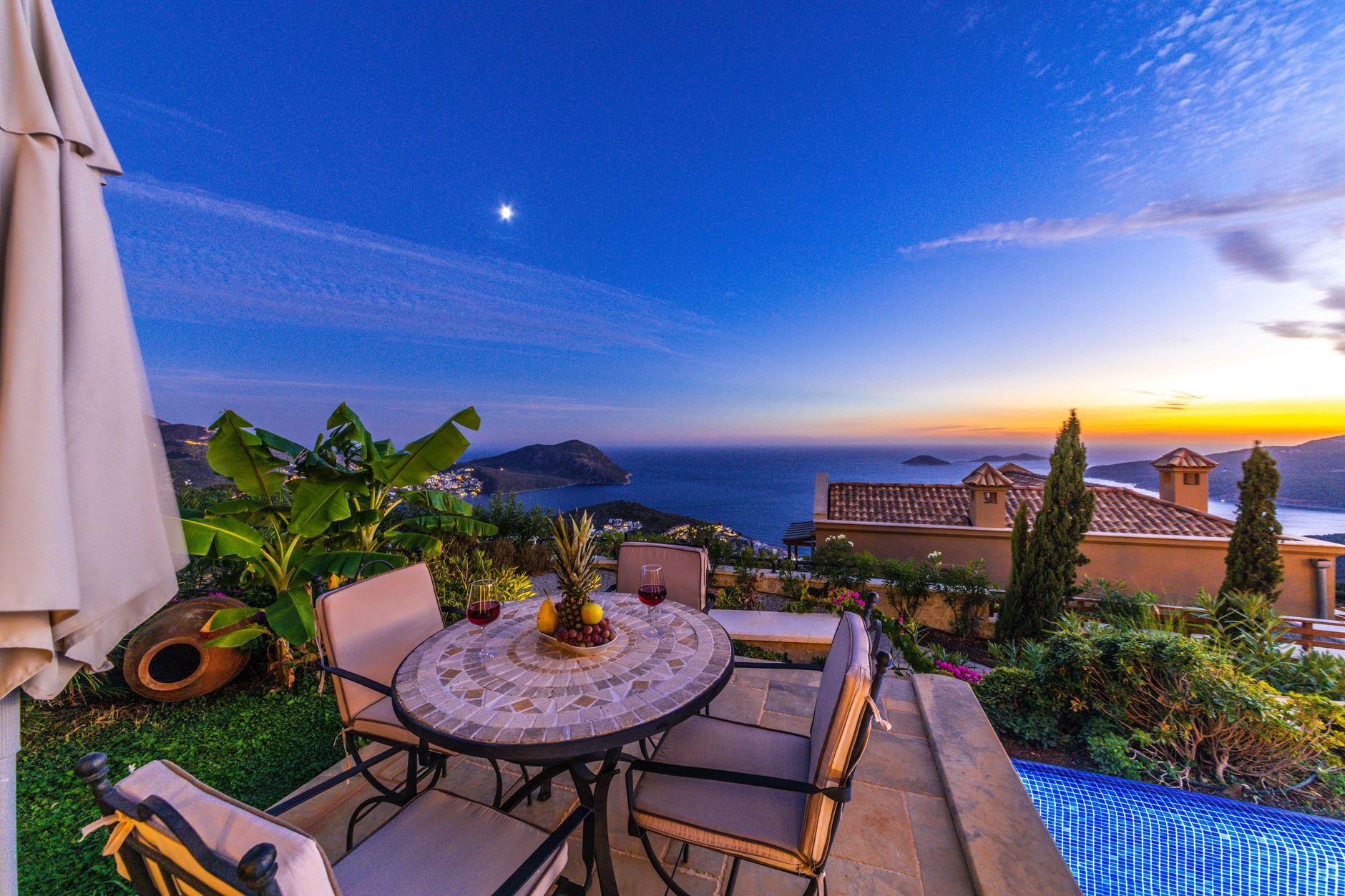
Vintners around the volcanic village of Falatados are reviving pre-industrial viticulture. Ancient Assyrtiko and Mavrotragano varietals are vinified on skins within terracotta urns submerged entirely in granitic sand. The temperature remains naturally regulated at 14 degrees Celsius without mechanical refrigeration or artificial additives.
Field Notes for the Epicurean Traveler
- • Season: Late September during the grape pressing and wild fig harvest.
- • Dining: Small kafeneio tables in Komi and Tarabados villages.
- • Transport: Avoid cruise ports; take the morning passenger ferry from Rafina.